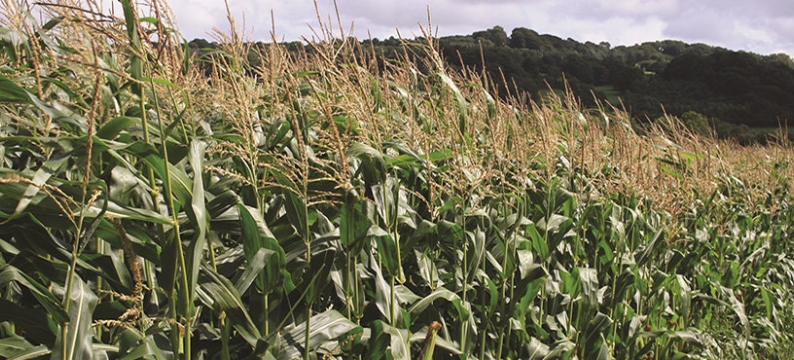
Proterra Maize
Nulla porta dolor Rhizobium ID 6,3
-
Longer sowing window
-
Lower competition with the maize crop
-
More biomass underground from the tall fescue's root structure

Key benefits
- Longer sowing window
- Lower competition with the maize crop
- More biomass underground from the tall fescue's root structure
- Less risk of structural damage from harvest machinery and a more flexible harvest window
- More resistant in extreme weather conditions versus bare ground
- Reduces soil erosion and nutrient leaching
- Environmental benefits

Grasses are highly valued as a cover crop, primarily because they form extensive root systems. This enables them to supply large quantities of organic matter to the soil, while their roots simultaneously improve soil structure. It also aids in the reduction of soil erosion. The deep rooting system of PROTERRA MAIZE means reduced nutrient leaching as nutrients are taken up by the plants roots through a wider range of the soil profile. Harvest benefits You don’t have to worry about the soil being too wet for a good quality crop. The intensively branched root system characteristic of PROTERRA MAIZE creates a higher bearing capacity of the soil. This means that you can harvest when the crop is ready without risking structural damage to the plants. The deep root system also improves soil drainage, which in turn boosts the resistance of both the main crop and the green manure to extreme weather conditions. The large amounts of organic matter underground improve soil fertility resulting in better crop performance the following year.
Specifications
| Name | Value |
|---|---|
| Sowing density per m² | 100 |
Characteristics
|
|
Drought Tolerance |
|
|
Close Mow Tolerant |

Proterra Maize